Caffeine isn't just a morning habit. It's the most widely studied performance enhancer on the planet. Learn how to use it with precision.
Caffeine doesn't give you energy. It blocks the signals that tell your brain to slow down — unlocking focus, speed, and endurance that was already there.
Caffeine binds to adenosine receptors, preventing the drowsiness signal from reaching your neurons. Your brain stays in high-alert mode longer.
By increasing dopamine activity, caffeine sharpens motivation, reward processing, and the drive to push through complex tasks.
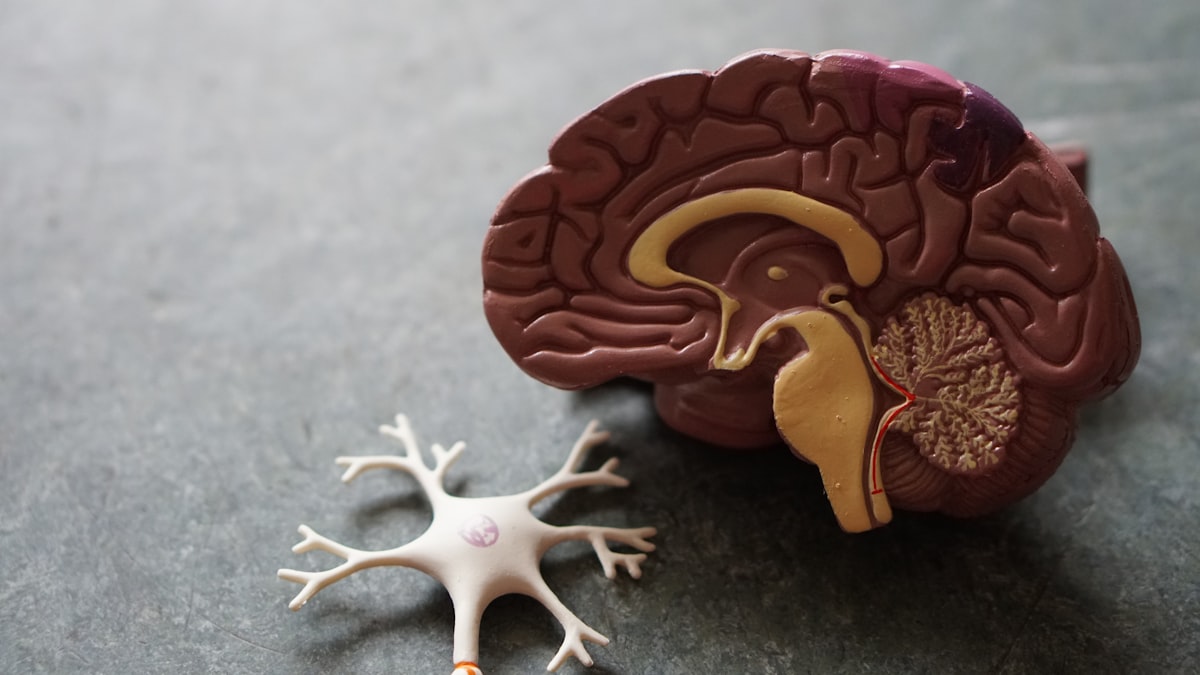
Caffeine increases activity in the prefrontal cortex — the brain region responsible for planning, decision-making, and sustained attention.
Understanding caffeine's timeline lets you engineer your most productive hours.
Caffeine hits your bloodstream fast. Within minutes, your gut absorbs it and sends it straight to your brain. The countdown starts.
Blood caffeine levels climb to their peak. Adenosine receptors are blocked. Reaction time sharpens. Mental fog clears. This is your window.
You're in the plateau. Focus is locked, creativity flows, and cognitive endurance is at its highest. Deep work happens here.
Half-life kicks in. Effects taper gradually, not suddenly. Plan your most demanding tasks before this point.
Your body metabolizes the remaining caffeine. Sleep architecture returns to baseline. Timing matters — stop early enough to protect your rest.
Caffeine is the most widely consumed psychoactive substance in the world — and one of the few with decades of evidence supporting cognitive and physical benefits.
Beyond waking you up. Peer-reviewed, replicated, and measurable.
Caffeine reduces reaction time by an average of 11%, making you faster at processing incoming information and responding to real-time demands.
Studies show improved short-term memory recall and the ability to hold more information in active processing — crucial for complex problem-solving.
Caffeine increases time to exhaustion by up to 12% and reduces perceived effort. Your body works harder while feeling like it isn't.
Dopamine modulation creates a measurable lift in mood, motivation, and willingness to engage with challenging or tedious tasks.
Strategic timing and dosing separate those who drink coffee from those who perform on it.
Wait 90–120 minutes after waking. Let your cortisol peak naturally first, then amplify it with caffeine for a double boost.
Optimal dose: 3–6 mg per kilogram of body weight. For a 70kg person, that's 200–400mg — roughly 2 to 4 cups of coffee.
No caffeine after 2 PM (or 8–10 hours before bed). Even if you "can sleep fine," caffeine disrupts deep sleep stages measurably.
Take 1–2 days off per week, or one full week off per month. This resets adenosine receptor sensitivity and keeps caffeine effective.
Join thousands optimizing their biology. No spam, no fluff — just science-backed strategies for peak performance.